لا يزال سوق الشحن البحري الدولي يشهد تقلبات، حيث تؤثر الطلب على التجارة العالمية، وسعة السفن، والعوامل الجيوسياسية الإقليمية على تكاليف الشحن. وبالنسبة لمصدري المركبات التجارية وآلات البناء والمعدات الثقيلة، أصبح متابعة اتجاهات الشحن جزءًا أساسيًا من التخطيط الفعال للصادرات.
في الأشهر الأخيرة، شهدت أسعار الشحن على الطرق التجارية الرئيسية التي تربط الصين بالشرق الأوسط وأفريقيا وأمريكا الجنوبية وجنوب شرق آسيا مستويات متفاوتة من التغير. ويسهم كل من الطلب الموسمي على الشحن، وتوزيع السفن، وازدحام الموانئ، والتغييرات في الجداول الزمنية في تقلب الأسعار. ونتيجة لذلك، يُنصح المصدرون بتأكيد عروض أسعار الشحن في وقت مبكر والحفاظ على تواصل وثيق مع شركات الشحن ووكلاء الشحن.
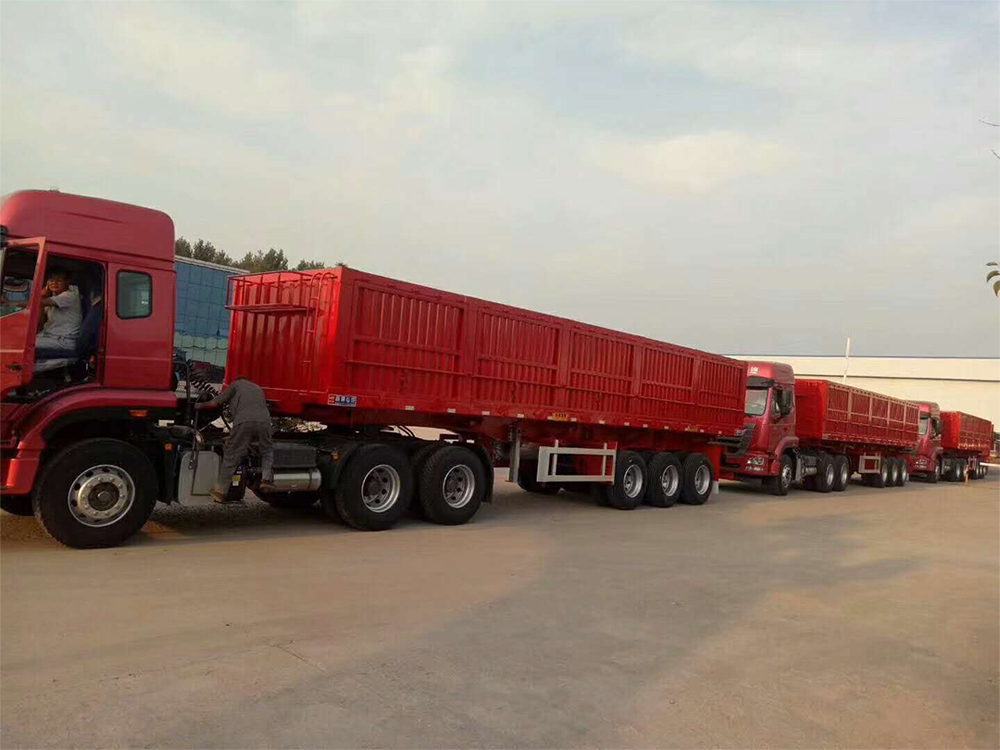
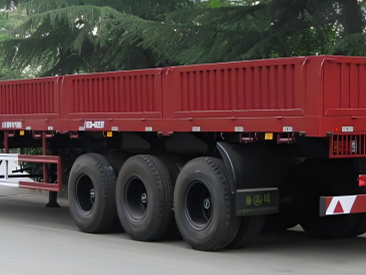
بالنسبة للبضائع الثقيلة مثل الشاحنات الجرارة والشاحنات القلابة ومعدات البناء والمقطورات، تظل طرق النقل التي تشمل نظام «رو-رو» (Roll-on/Roll-off) وحاويات «فلات راك» (Flat Rack) وسفن البضائع السائبة هي الحلول المفضلة للشحن. ولا يساعد اختيار طريقة الشحن المناسبة على تحسين تكاليف النقل فحسب، بل يضمن أيضًا سلامة البضائع طوال الرحلة.
في شركتنا، نعمل عن كثب مع شركاء لوجستيين ذوي خبرة لتقديم حلول شحن مرنة للعملاء في جميع أنحاء العالم. وسواء كان الأمر يتعلق بتصدير مركبة واحدة أو إدارة عمليات تسليم أساطيل كبيرة، فإن فريقنا يقدم المساعدة في حجز الشحن، وإعداد وثائق التصدير، والإقرار الجمركي، وفحص البضائع، والنقل الدولي، مما يضمن تسليمًا سلسًا وفعالًا.
للحد من تأثير تقلبات سوق الشحن، نوصي المشترين والموزعين في الخارج بما يلي:
- يرجى تأكيد خطط الشراء وجداول الشحن في أقرب وقت ممكن.
- احجز مساحة على السفينة مسبقًا خلال مواسم الذروة في مجال الشحن.
- اختر وسيلة النقل الأنسب وفقًا لنوع الشحنة ووجهتها.
- مراقبة جداول الشحن ومتطلبات التخليص الجمركي قبل مغادرة الشحنة.
- الحفاظ على التواصل المنتظم مع الموردين وشركاء الخدمات اللوجستية لتقليل التأخيرات المحتملة إلى أدنى حد.
على الرغم من التغيرات المستمرة في سوق الشحن العالمي، تواصل شبكات اللوجستيات الدولية انتعاشها وتحسن أدائها. وبفضل التخطيط السليم والدعم اللوجستي الاحترافي، يمكن للمصدرين والمستوردين إدارة تكاليف النقل بفعالية والحفاظ على موثوقية عمليات سلسلة التوريد.
تظل شركتنا ملتزمة بتوفير مركبات تجارية عالية الجودة وخدمات لوجستية شاملة للتصدير للعملاء في جميع أنحاء الشرق الأوسط وأفريقيا وجنوب شرق آسيا والأسواق الدولية الأخرى. وسنواصل متابعة التطورات في سوق الشحن العالمي ومشاركة آخر المستجدات في القطاع في الوقت المناسب لمساعدة شركائنا على اتخاذ قرارات مستنيرة بشأن الشراء والشحن.